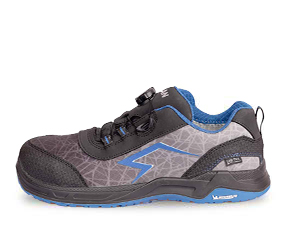
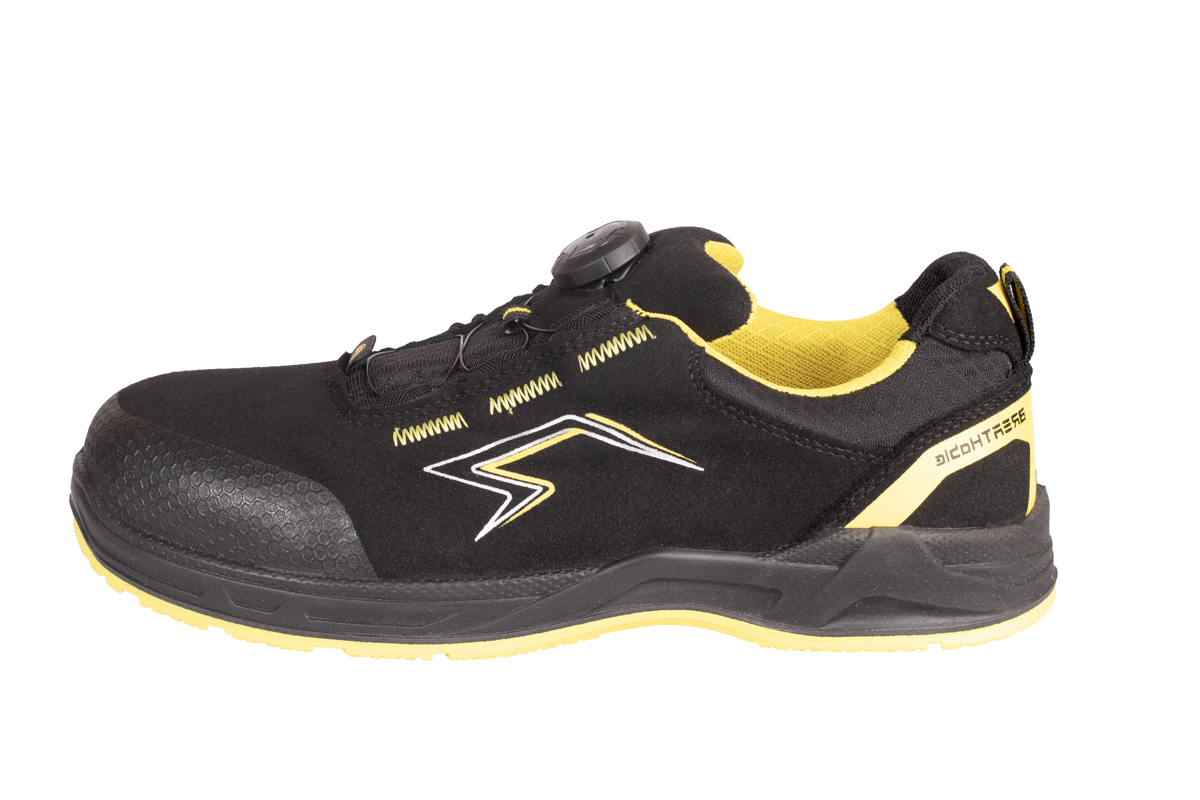
Lightweight Safety Shoes
Lightweight safety shoes reduce the load on your legs during a long working day while keeping your toes and soles protected against typical workplace hazards. Every step takes less effort, so tiredness builds up more slowly, and this is especially noticeable in the warm UAE climate. When you choose safety shoes from the Talan lightweight range, you get dependable defence against falling objects and slippery floors without extra weight on every step.
What Are the Benefits of Lightweight Safety Shoes?
People who walk between zones or stand at one workstation for hours feel every extra gram by the evening. Light safety shoes ease this strain: a flexible sole bends together with the foot, a cushioning insole softens each heel strike, and an anatomical last holds the foot steady without pinching it. That is why lightweight work footwear is often the first choice for anyone who needs comfortable safety shoes for long shifts.
Comfort, however, never replaces the protection class. S1P and S3 are separate sets of safety requirements, and the right one depends on the hazards present in your workplace rather than on personal preference. The range includes models certified under EN ISO 20345:2011 as well as models certified under the 2022 revision, which uses its own marking system, so it is worth checking the product card before ordering.
Breathable Safety Shoes for Hot Weather
In the UAE, a shift in a warehouse or on a loading bay often runs at temperatures above 35 °C, and feet are among the first to suffer from the heat. Breathable safety shoes deal with this through their materials. A textile upper lets warm, moist air escape, a mesh lining stops the sock from sticking to the inner surface, and moisture-wicking fabrics move sweat away from the skin before it collects. Together these details reduce overheating, rubbing and that clammy feeling by midday, which is exactly what most people expect from summer safety shoes.
Which work shoes keep your feet from getting sweaty? Ventilated work shoes with a breathable upper and an open-weave lining help the most, because they let vapour out instead of trapping it inside. Still, they cannot stop sweating altogether: socks, shift length and physical effort also play a part, and the actual airflow depends on how each model is built. The table below shows what to look for in safety shoes for hot weather and in work shoes for hot climates.
| Feature | How it helps in the heat | What to check on the product card |
|---|---|---|
| Textile upper | Lets warm air and vapour escape from inside the shoe | A fabric or microfiber upper instead of solid leather |
| Mesh lining | Keeps the sock drier and reduces friction | The lining material in the specifications |
| Breathable membrane | Releases vapour while limiting moisture from outside | Whether the model has a membrane |
| Removable insole | Can be taken out and dried between shifts | “Removable insole” in the description |
| Composite toe cap | Does not heat up or cool down like metal | “Metal-free” in the description |
What Protective Features Do Lightweight Safety Shoes Offer?
Lower weight does not mean weaker protection. Modern lightweight safety shoes combine a reduced mass with the same core safety elements found in heavier footwear, provided the model meets the required class. Most of the weight saving comes from materials rather than from removing protection.
Toe protection. A composite toe cap withstands a 200 J impact, roughly the energy of a 20 kg load falling from one metre. It is noticeably lighter than steel or aluminium caps, does not conduct cold or heat, and keeps the shoe free of metal.
Slip resistance. An oil-resistant outsole with a multidirectional tread helps keep grip on smooth or greasy floors.
Antistatic properties. Antistatic soles and insoles prevent static charge from building up, and some models also offer ESD protection for electronics areas.
Puncture resistance. In the relevant models, a flexible Kevlar-based midsole guards against nails and sharp debris without making the sole stiff.
This is why lightweight protective footwear and lightweight industrial shoes are chosen where the risks are real but the work keeps people moving. A shoe in this category weighs roughly 480–500 g, and that difference is felt by the end of the day.
Where Are Lightweight Safety Shoes Used?
Light protective footwear pays off wherever people stay on their feet for hours and move constantly:
- Warehouses and logistics hubs — long walking routes between racks, loading docks and sorting lines.
- Light manufacturing and assembly — standing work at conveyors, where comfort affects concentration.
- Food production — clean areas where floors can be wet or greasy.
- Electronics and power facilities — workplaces where antistatic soles reduce the risk of static discharge.
- Printing and packaging — fast-paced shifts with frequent movement around machines.
How to Choose the Right Lightweight Safety Shoes
- Start with the risks rather than the weight figure. Work out what can fall on the foot, what can pierce the sole, how slippery the floor is and whether static electricity matters in your area. This defines the protection class you need.
- Check the fit: the shoe should hold the heel firmly, leave room for the toes and feel stable when you squat or turn. Good heel cushioning and a flexible forefoot matter for anyone covering long distances, while breathable materials and a mesh lining make more sense in hot areas.
- Try shoes on in the afternoon, when feet are slightly swollen, and wear the socks you use at work.
- Keep in mind that light footwear is not the right answer for every job. Heavy construction, molten metal or chemical splashes may call for different footwear, and compliance with safety requirements always comes first.
Why Choose TALAN Lightweight Safety Shoes?
Talan earns trust because it makes its footwear at its own factory in Sharjah and controls each stage, from choosing materials to finishing the pair. The lightweight range brings together composite toe caps, Kevlar-based midsoles and breathable uppers, and the company checks materials in its own laboratory, for example measuring how well the upper fabric resists abrasion. The catalogue includes certified low shoes and boots in a wide size range, so a business can equip a whole team in one place, and you can send an inquiry if you need help matching a model to your working conditions. When you choose light safety shoes from the Talan range, you get protection against impacts and slips that stays comfortable for the whole shift.
Frequently Asked Questions
Are Lightweight Safety Shoes Suitable for Hot Weather?
Yes, in most cases. Less weight means less effort with every step, which helps when the heat is already draining your energy. Weight alone, however, does not keep feet cool. Airflow depends on the upper material, the lining and the overall design, so if you work in high temperatures, look for a breathable fabric upper, a mesh lining and a removable insole.
Which Safety Shoes Help Reduce Foot Sweating?
Shoes with a breathable textile or microfiber upper and a moisture-wicking mesh lining help the most, since they release vapour instead of holding it inside. Such sweat-resistant work shoes keep feet drier for longer, yet no footwear removes sweating completely. Moisture-wicking socks and drying the insole between shifts also make a noticeable difference.
Are Lightweight Safety Shoes Suitable for Long Shifts?
They are a good fit for long shifts, provided the shoe matches the job. Lower weight reduces leg fatigue, cushioning softens the impact of each step on hard floors, and a well-fitting last prevents rubbing and pressure points. If the model also meets the protection class your workplace requires, it will stay comfortable from the first hour to the last.